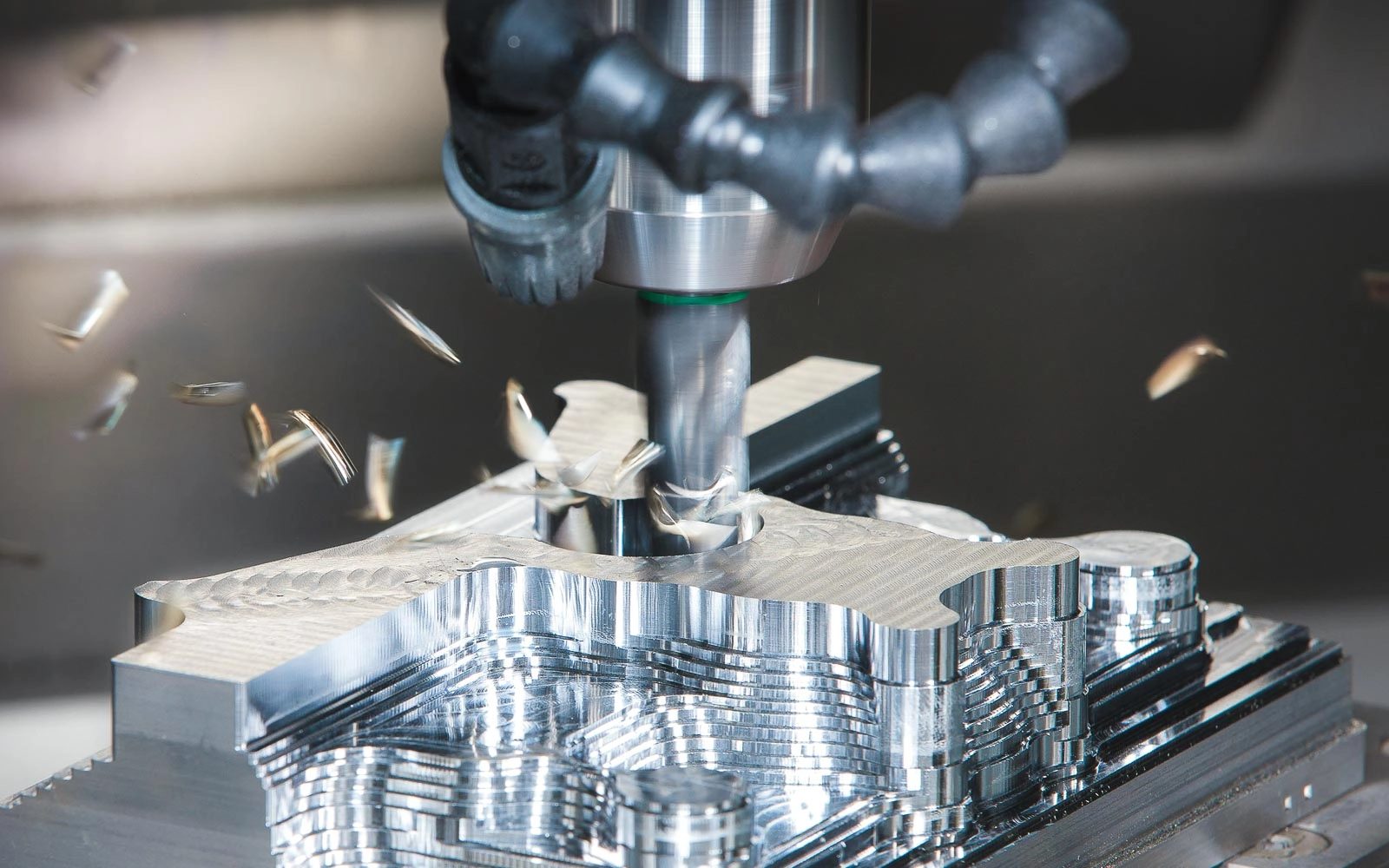
Custom Composite CNC Machining

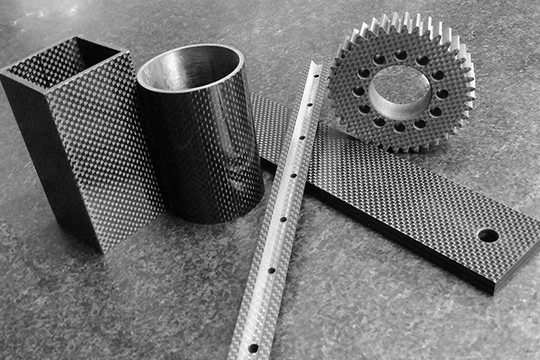
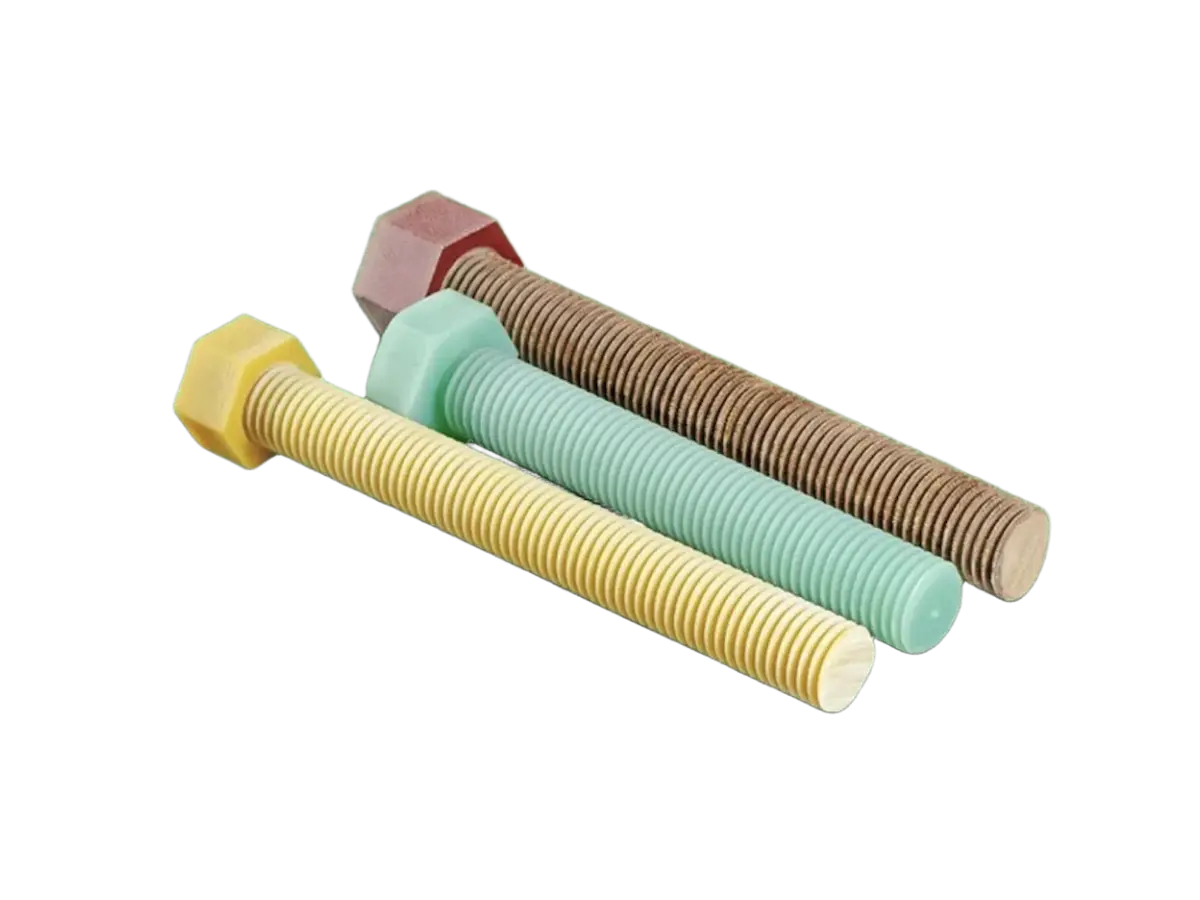
At Solnit, we specialize in precision CNC machining of advanced composite materials including carbon fiber, fiberglass, and high-performance polymers. These lightweight and durable materials are widely used in aerospace, automotive, medical, and electronics industries where strength, efficiency, and corrosion resistance are critical.

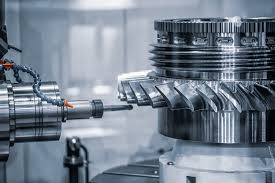
Our 5-axis CNC machining capabilities ensure superior accuracy, excellent surface finish, and tight tolerances, allowing us to manufacture complex geometries and custom composite parts tailored to your specific application needs.

Whether you require prototype development or full-scale production, our expertise guarantees consistent quality and reliable performance in every part we deliver.

Request a Rapid Quote
Custom CNC Machining for Carbon Fiber and Composites

Advantages of CNC Composite Parts

High Strength-to-Weight Ratio

Composite materials such as carbon fiber and fiberglass offer exceptional mechanical strength while remaining lightweight, making them ideal for aerospace, automotive, and drone components.

Excellent Fatigue and Impact Resistance

CNC-machined composite parts can withstand repeated stress and sudden impacts without cracking or deforming, ensuring long-term durability in dynamic applications.

Corrosion and Moisture Resistance

Unlike metals, composite materials are inherently resistant to moisture, corrosion, and chemical degradation, enabling their use in marine, outdoor, and chemical processing environments.

Tailorable Properties

The layered structure of composites allows engineers to customize strength, stiffness, and thermal performance in specific directions—providing optimized functionality for each CNC-machined component.

Low Thermal Conductivity

Many composite materials act as thermal insulators, making them ideal for applications requiring heat resistance or thermal management, such as electronic housings and structural panels.

Design Flexibility and Complex Geometry

Composites are well-suited for CNC machining of intricate shapes and undercut features that may be difficult or cost-prohibitive to produce in metals, expanding design possibilities for advanced industries.

Common Composite CNC Machining Materials

Carbon fiber is a lightweight, high-strength composite material widely used in aerospace, automotive and electronics...

Model Density (g/cm³) Tensile Strength Tensile Modulus Thermal Stability Conductivity
T3001.763500230MediumHigh
T7001.84900240HighHigh
T8001.815880294HighHigh
M40J1.784120377HighMedium
IM71.85700276HighMedium
HM1.852400540HighLow

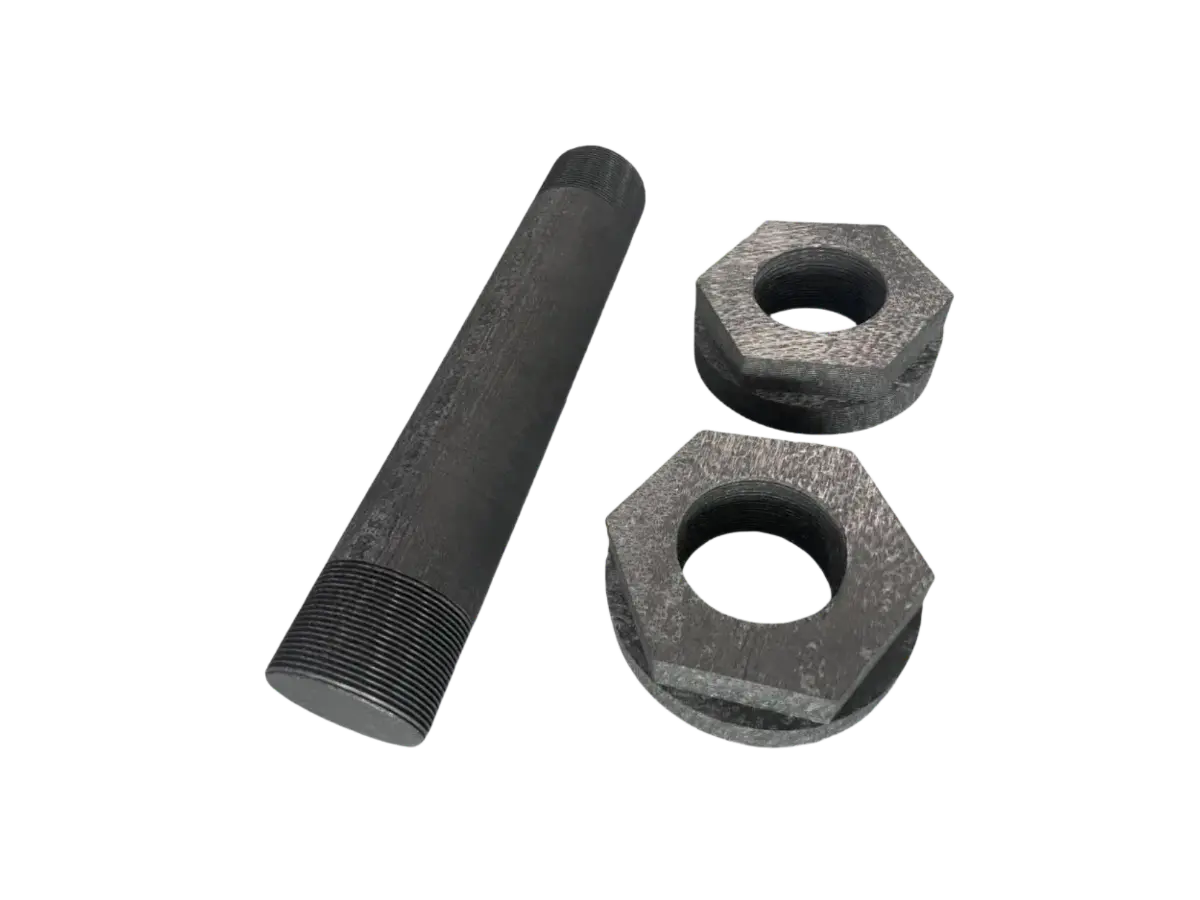
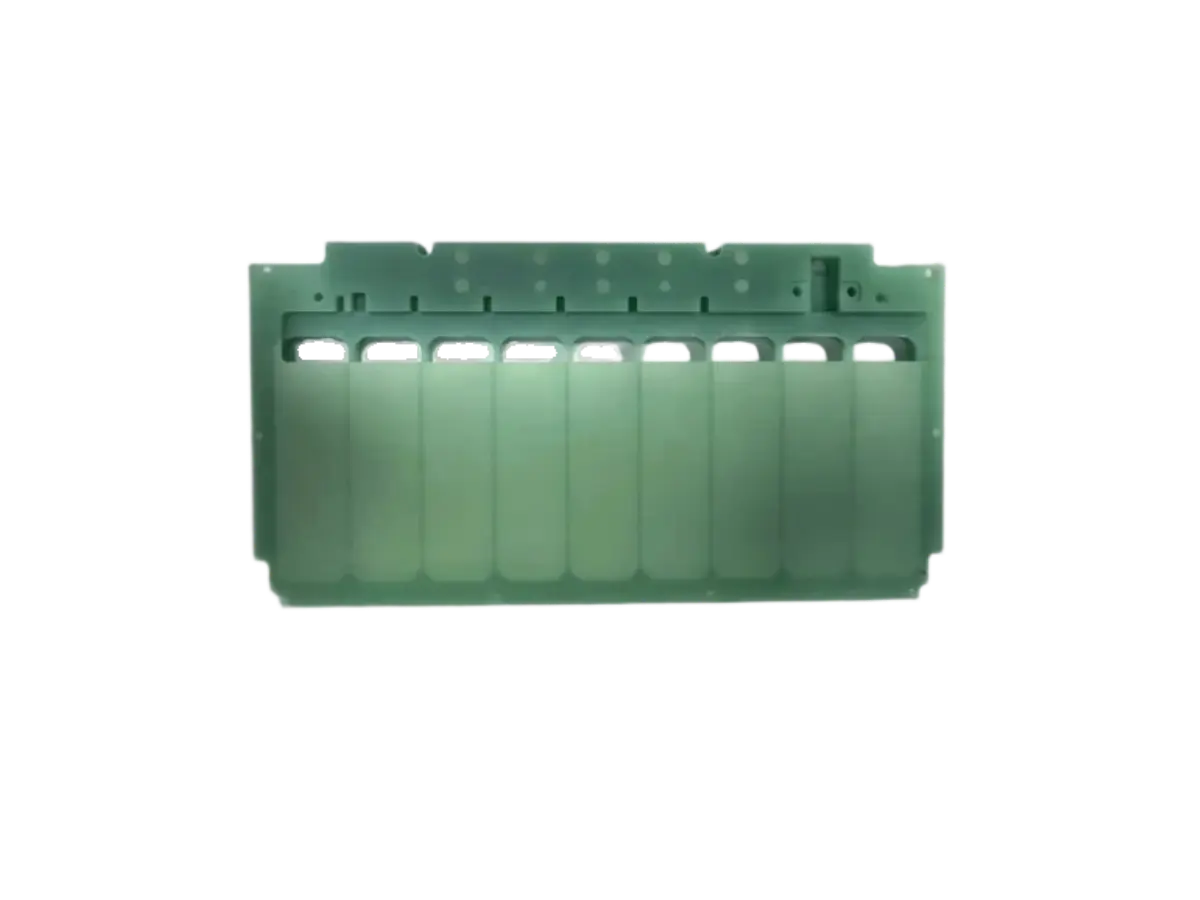
Glass fiber (GFRP) is a high-strength, lightweight composite material with excellent corrosion resistance and electrical insulation, widely used in CNC machining. It is suitable for the manufacture of chemically resistant parts, electrical insulators and lightweight structural components. Due to its good hardness, toughness and processability, fiberglass is commonly used to produce structural parts and housings, especially with the support of reinforcing materials such as epoxy and phenolic resins, which provide higher impact resistance and thermal stability.

Model Density (g/cm³) Tensile Strength Thermal Stability Hardness Insulation Corrosion resistance
G101.80-1.90150-220130-180°CHighExcellentStrong
FR41.80-1.90100-250120-140°CMediumGoodMedium
G111.80-1.90200-250150-180°CHighExcellentStrong
CEM-11.80-1.90100-150100-130°CMediumAverageMedium
CEM-31.80-1.90120-200110-130°CMediumGoodMedium

Polymer Matrix Composites (PMCs) are lightweight, high-strength materials made from polymer matrices, often reinforced with fibers like carbon, glass, or Kevlar. Known for their excellent corrosion resistance, thermal stability, and mechanical strength, PMCs are ideal for manufacturing high-performance components. Their low density reduces part weight, while maintaining structural stability and impact resistance, making them popular in aerospace, automotive, sports, and medical industries.

Material Type Density(g/cm³) Tensile Strength(MPa) Modulus of Elasticity(GPa) Heat resistance
Carbon Fiber Reinforced Polymer (CFRP)1.5-2.0~3500230-450High
Glass Fiber Reinforced Polymer (GFRP)~1.9~100070High
Kevlar (Aramid) Reinforced Polymer (AFRP)~1.4~3000130Medium
Natural Fiber Reinforced Composites1.0-1.5100-30010-20Low
High Performance Polymer Matrix Composites1.3-1.6200-40020-50High

Composite CNC Machining Tolerances

CNC machining of composite components requires a careful balance between precision and material integrity. For materials like carbon fiber reinforced polymers (CFRP) or glass fiber composites, we optimize our machining processes to minimize delamination, fiber pull-out, and edge fraying while achieving functional accuracy. By utilizing specialized tooling, controlled feed rates, and vacuum fixturing, we consistently deliver precise tolerances on critical features such as mating surfaces, mounting holes, and alignment points.

Parameter Standard Tolerance Tight Tolerance
Dimension ±0.10 mm ±0.05 mm
Hole Diameter ±0.08 mm ±0.03 mm
Flatness (100 mm) 0.10 mm 0.05 mm
Parallelism 0.10 mm 0.05 mm
Perpendicularity 0.15 mm 0.07 mm
Roughness Ra 6.3 μm Ra 1.6 μm
Concentricity ±0.10 mm ±0.05 mm

Composite CNC Machining for Various Industries

Aerospace
Aerospace

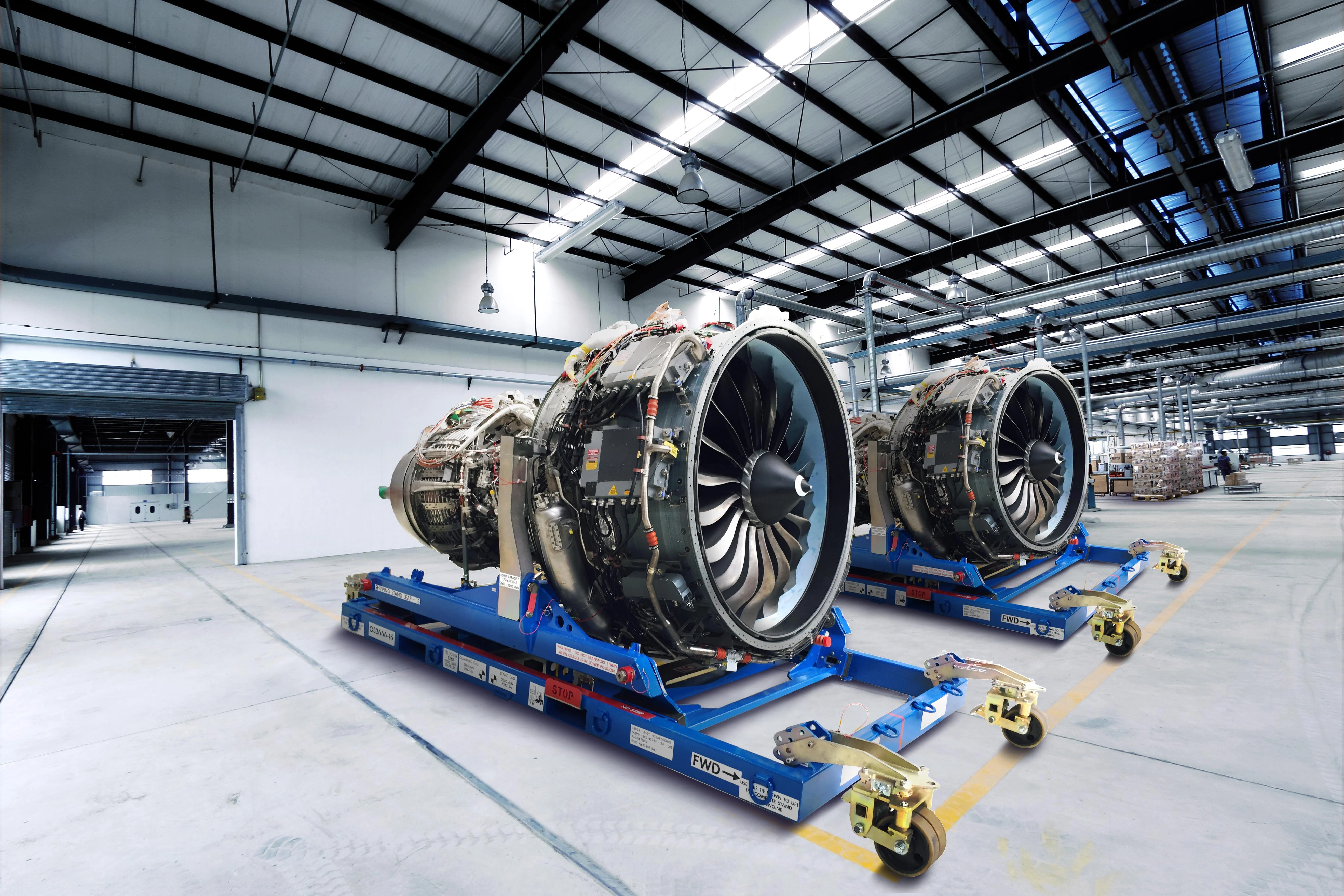
Drone frames, interior panels, satellite brackets, radome components.

Automotive
Automotive

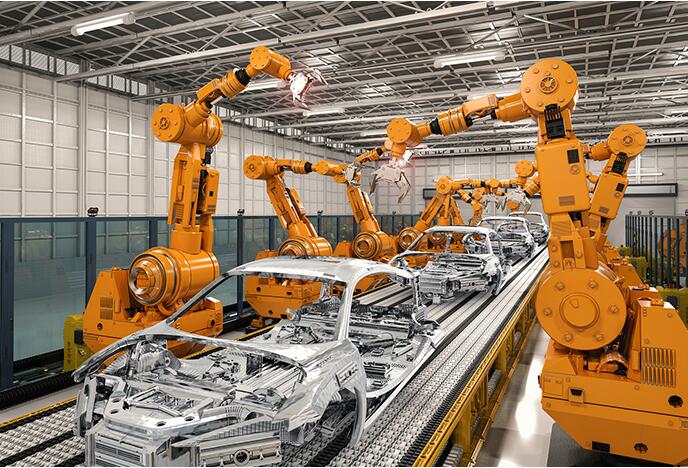
Body panels, battery enclosures, aerodynamic parts, lightweight mounts.

Industrial Equipment

Robot arms, structural supports, machine covers, anti-vibration plates.

Electronics
Electronics

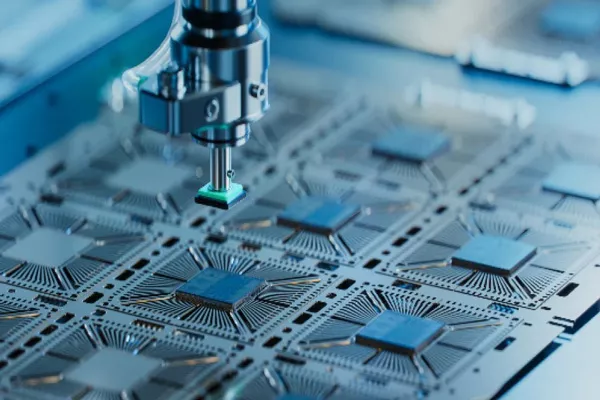
EMI shielding housings, non-metallic PCB holders, antenna supports.

Medical
Medical

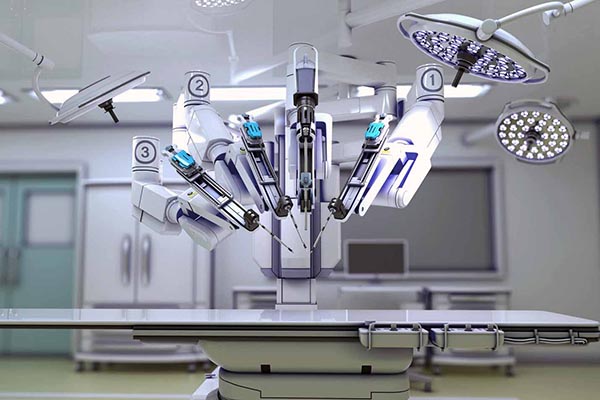
Imaging system frames, MRI-compatible mounts, rehabilitation components.

Medical
Consumer & Sports

Carbon fiber bike parts, drone chassis, protective gear, performance accessories.

Custom Composite Parts Finishing Options

We provide an array of surface finishing solutions meticulously crafted for CNC-machined composite components. Our finishing services cater to enhanced bonding, aesthetics, and precision while preserving structural integrity.

Finishing Option Description Typical Applications
Edge Sealing & Resin Coating Protective resin on cut edges prevents fraying, delamination, and moisture ingress. Aerospace panels, structural CFRP parts
Precision Trimming & Deburring CNC finishing to remove burrs, smooth edges, and ensure consistency. Mounting features, enclosure panels
Surface Sanding & Micro-Milling Improves flatness and reduces roughness without fiber damage. Aesthetic parts, interface layers
Paint & Coatings Adds UV protection, branding, or color coding while protecting fibers. Consumer electronics, industrial covers
Plasma or Flame Treatment Enhances surface energy to improve adhesive or paint bonding. Pre-bonding, lamination prep
Laser Marking (Low Power) Identification/traceability without damaging composites. Part numbers, QR codes, branding

Custom Composite Parts Gallery

Why Choose Solnit for Composite CNC Machining?

Fast

Parts delivered in 3–5 days for rapid prototyping or short-turn production.

Precision

Tight tolerances and optimized machining for fiber-reinforced materials.

Cost-effective

Right strategy per design/volume, minimizing fiber damage and cost.

One-stop Solution

From trimming, sealing, sanding, coating, and painting — full lifecycle support.

Composite CNC Machining Knowledge

CNC Prototyping Guide
CNC Prototyping Guide: From Design to Production
24/09/2025

Discover how CNC machining accelerates product development with rapid prototyping, allowing faster testing and better design validation.

Aluminum CNC Machining
Aluminum CNC Machining: Properties, Advantages, and Uses
24/09/2025

Aluminum is one of the most widely used CNC materials. Learn why it is favored for aerospace, automotive, and consumer products.

On-Demand Manufacturing CNC
On-Demand CNC Manufacturing: Faster, Smarter, Cost-Efficient
24/09/2025

Explore how on-demand CNC machining reduces inventory costs, shortens lead times, and empowers agile product development.

CNC vs 3D Printing
CNC Machining vs 3D Printing: Which is Right for Your Project?
24/09/2025

Compare CNC machining and additive manufacturing. Understand their strengths, limitations, and best use cases for prototyping and production.

CNC Composites FAQ

We commonly work with CFRP, GFRP, and other fiber-reinforced composites. Our engineers can evaluate machinability for specialty materials.

We use specialized tooling, optimized feeds, vacuum fixturing, and multi-axis machining to minimize edge fraying and delamination.

Yes, our team offers material consultation and DFM support to help select the best composite based on weight, strength, or heat resistance.

We achieve tight tolerances depending on geometry and material, typically ±0.05mm to ±0.1mm.

Yes, we handle both rapid prototyping and full-scale batch production of CNC composite parts.

How to Work With Us

1
Upload Design

Submit your 3D drawings, processes, materials, quantities and other technical requirements.

2
DFM Analysis & Quotation

We analyze your design for feasibility and provide a DFM report and quotation within hours.

3
Order Confirmation

Issue a purchase order or make payment after DFM and quotation confirmation.

4
Parts Shipping

We update you on progress and ship after quality checks, in as little as 3 days.

Order Your Custom Parts Today

Get a Rapid Quote